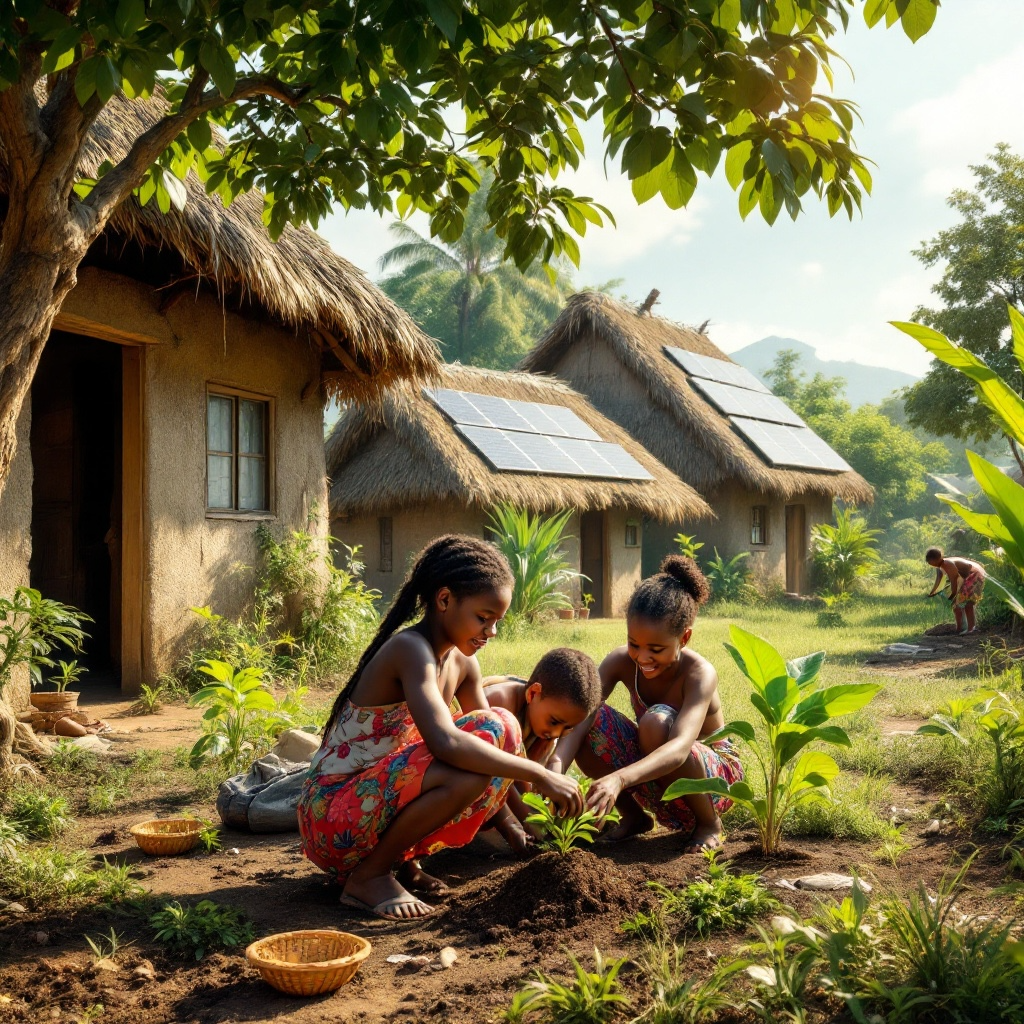
Environmental Sustainability
Protecting Our Planet for Future Generations
Environmental sustainability focuses on responsible interaction with the environment to avoid depletion of natural resources. It ensures long-term ecological balance by promoting conservation, reducing waste, and fostering sustainable practices in industries and communities.
Impact of Environmental Sustainability: Creating a Greener, Healthier World
Environmental sustainability leads to cleaner air and water, reduced carbon footprints, and healthier ecosystems. It mitigates climate change by encouraging renewable energy, sustainable agriculture, and responsible consumption. By preserving biodiversity and natural habitats, sustainability efforts protect the planet while improving the quality of life for future generations.
Why Environmental Sustainability Matters
- Reduces Carbon Footprint
- Promotes Renewable Energy
- Prevents Environmental Degradation
- Encourages Sustainable Living
- Minimizes Waste Production
- Protects Biodiversity
- Supports Green Innovation
- Enhances Public Health
- Ensures Climate Resilience
How It Works: Our Sustainability Approach
Sustainability programs focus on reducing waste, improving energy efficiency, and promoting responsible consumption of water, land, and raw materials. Conservation strategies help preserve vital resources for future generations.
Educational campaigns and advocacy efforts raise awareness about sustainability issues, empowering individuals and businesses to adopt eco-friendly practices. Policy initiatives push for stronger environmental regulations and sustainable development.
Organizations and communities invest in renewable energy, sustainable farming, and eco-conscious urban planning. By integrating green technologies, industries can reduce their environmental impact while promoting a circular economy.